STOCK LEVEL: LOW

LOWEST PRICE EVER

Advertorial
The 5-Second Chair Test Physical Therapists Use Before They Even Ask About Your Knee Pain

A sports rehabilitation specialist explains what your hands on the armrests may be telling you
The patient hasn't said a word yet. He's just trying to stand up from the waiting room chair.
Both palms go flat on the armrests. His shoulders hunch. He pushes, pauses, and pushes again.
"I don't even look at the chart," says Dr. Noah Cruz, a sports rehabilitation specialist with 17 years of clinical experience. "I watch people stand up. That's my test."
He has watched thousands of people do it. And he says the ones who push off the armrests almost always have the same thing in common, and it usually isn't what they think.
The Armrest Test

Dr. Noah Cruz, DPT, sports rehabilitation specialist with 17 years of clinical experience.
Dr. Cruz calls it the Armrest Test, and you can do it right now.
Sit in a normal chair. Cross your arms over your chest. Stand up without using your hands.

Now notice what happened.
Did you rock forward two or three times before you went?
Did you shift your weight to one leg without meaning to?
Did you reach for the table, the sofa arm or the counter?
Did you catch yourself thinking, "I'll just use my hands"?
"If you have to push off, that's not a habit," says Dr. Cruz. "That's compensation. Your body has quietly hired your arms to do a job your thighs used to do."
Most people never connect the two. They call it getting older. They call it a bad knee day. Or they don't call it anything, and just keep pushing off.
Nobody notices it happening, and that's the problem
The change is slow. That's why it works so well at hiding.
First you start choosing the aisle seat, so it's easier to get out. Then you stop sitting on low sofas. Then the stairs go sideways: one foot, then the other, one hand on the rail.
Then the bottom shelf becomes "something for someone else to reach." You crouch less, you kneel less, and you plan every outing around where you'll be able to sit.
"Every one of those is a small surrender," says Dr. Cruz. "People think they're managing knee pain. What they're really doing is avoiding the movements that use the muscle. And a muscle you don't use gets quieter every month."
He describes a patient he'll call Robert, 67, a retired electrician.
"Robert told me his knees 'hurt a little.' But when I asked him to stand up from my chair with his arms crossed, he couldn't do it. He tried three times. Then he laughed and said, 'Well, I haven't done that in years.'"
He hadn't done it in years because he'd stopped trying. His hands had taken over so gradually that he never noticed the handover.
"That's when I stopped treating the knee as the whole story," Dr. Cruz says.
It may not be your knee that's failing. It may be your thigh that's gone quiet.
Here is what most people are never told.
When a knee is irritated, stiff or has been through an injury, the nerves around it can turn down the signal to the big muscle above it, the quadriceps. Researchers call this arthrogenic muscle inhibition, and it has been described in journals including Seminars in Arthritis and Rheumatism and the Journal of Sport Rehabilitation.
It's a protective reflex. The body is trying to keep you from loading a joint that feels vulnerable. But it comes with a side effect: the muscle that should be catching your weight can go on standby.
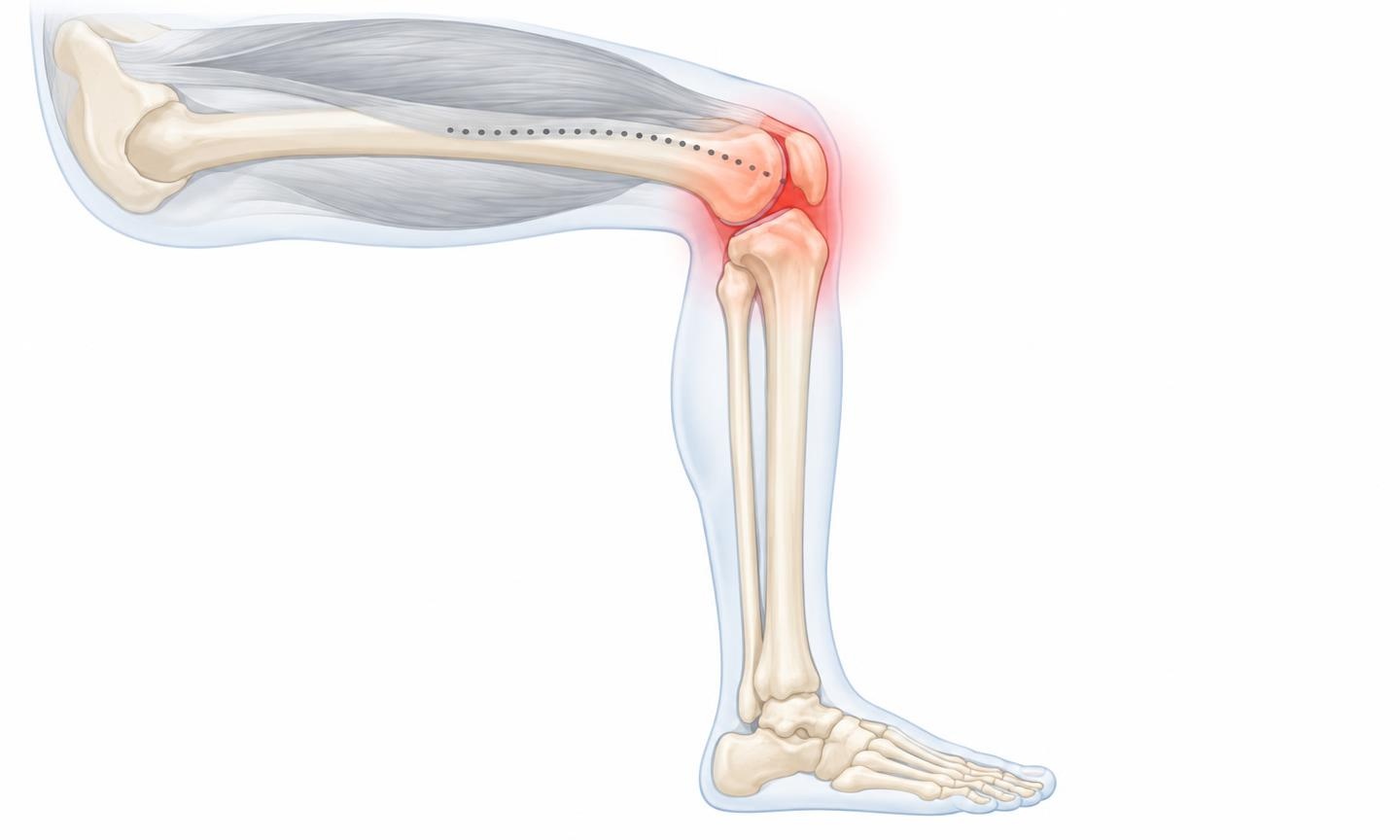
"Think of a dimmer switch," Dr. Cruz explains. "The lights are still installed. Somebody just turned them down. Your thigh is still there. It's just not getting a strong enough signal to do its full job."
So the knee is left taking loads it was never meant to take alone. Every stand-up. Every step down. Every time you get out of the car.
And because you avoid the movements that would wake the muscle up, the signal gets quieter. The quieter it gets, the more you avoid. It's a loop, and it can feel exactly like "my knees are just getting old."
That's the belief that needs to change:
Your knee may not be asking for help. Your thigh is on mute.
Why the usual fixes miss
Dr. Cruz hears the same list from almost every patient.

The knee sleeve. It holds the joint in place, and that feels good. But "the sleeve does the holding, so the muscle has even less reason to switch back on. You've given the job to a piece of fabric."
The heating pad. It warms the area, and that feels wonderful for twenty minutes. "But warmth alone doesn't send your muscle a signal. It makes you comfortable while the muscle stays quiet."
Pills and injections. These are designed to turn down the discomfort. "They don't ask the muscle to do anything. If the problem is a muscle that's gone quiet, you can quiet the pain all day and still push off the armrests."
Rest. "Rest is the one everyone gives, and it's the one that can make the loop worse. A resting muscle doesn't get louder."
None of these are wrong, and some are genuinely useful. They're just aimed at the symptom. The Armrest Test points at something else.
What may actually help wake the muscle back up
This is where Dr. Cruz changed the way he works with knees.
"You need three things, in the right order. Warm the tissue. Send the signal. Then support the joint while the muscle works."
He calls it the Wake-Up Sequence.
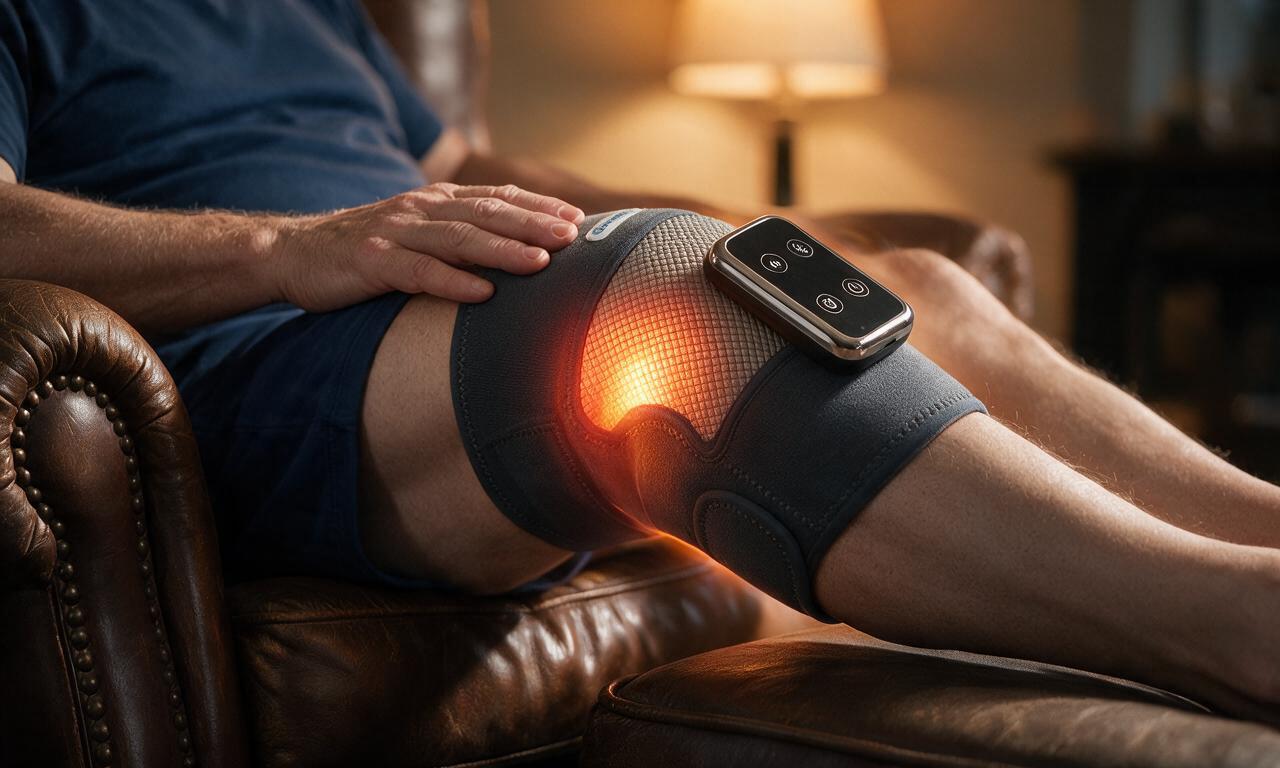
Step 1: Heat, 104–108°F (40–42°C).
Gentle warmth helps widen the blood vessels around the knee and brings more circulation to tissue that has been sitting still. "You're getting the area ready. Cold, stiff tissue doesn't respond well to anything."
Step 2: EMS pulses.
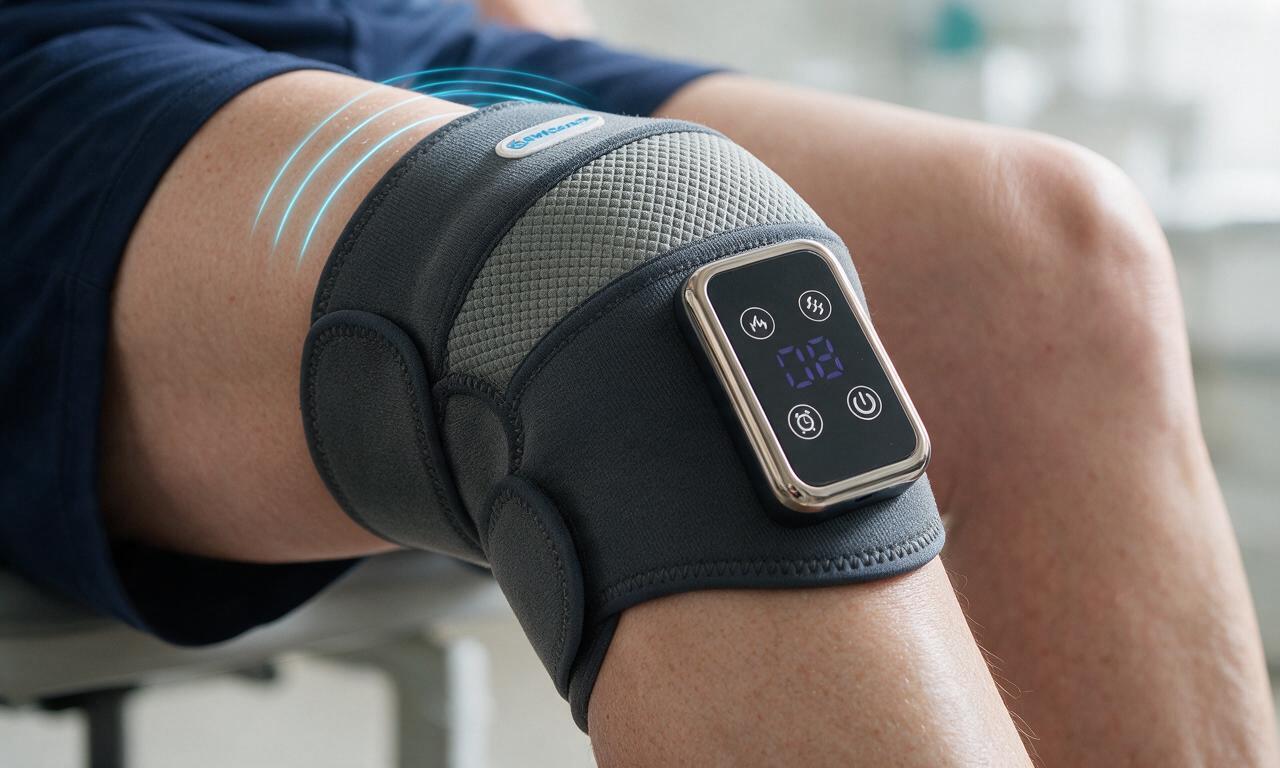
Electrical muscle stimulation is designed to send small pulses through the skin to the nerves that control the muscle around the knee. "This is the signal your quiet thigh isn't giving itself. It's a way of turning the dimmer back up, so the muscle is asked to work again without you having to stand up and force it."
Step 3: Compression.
A snug wrap supports the joint and helps maintain circulation while the muscle is active. "It also gives your body feedback about where the knee is in space. That matters more than people think, because it's part of why the knee feels steadier."
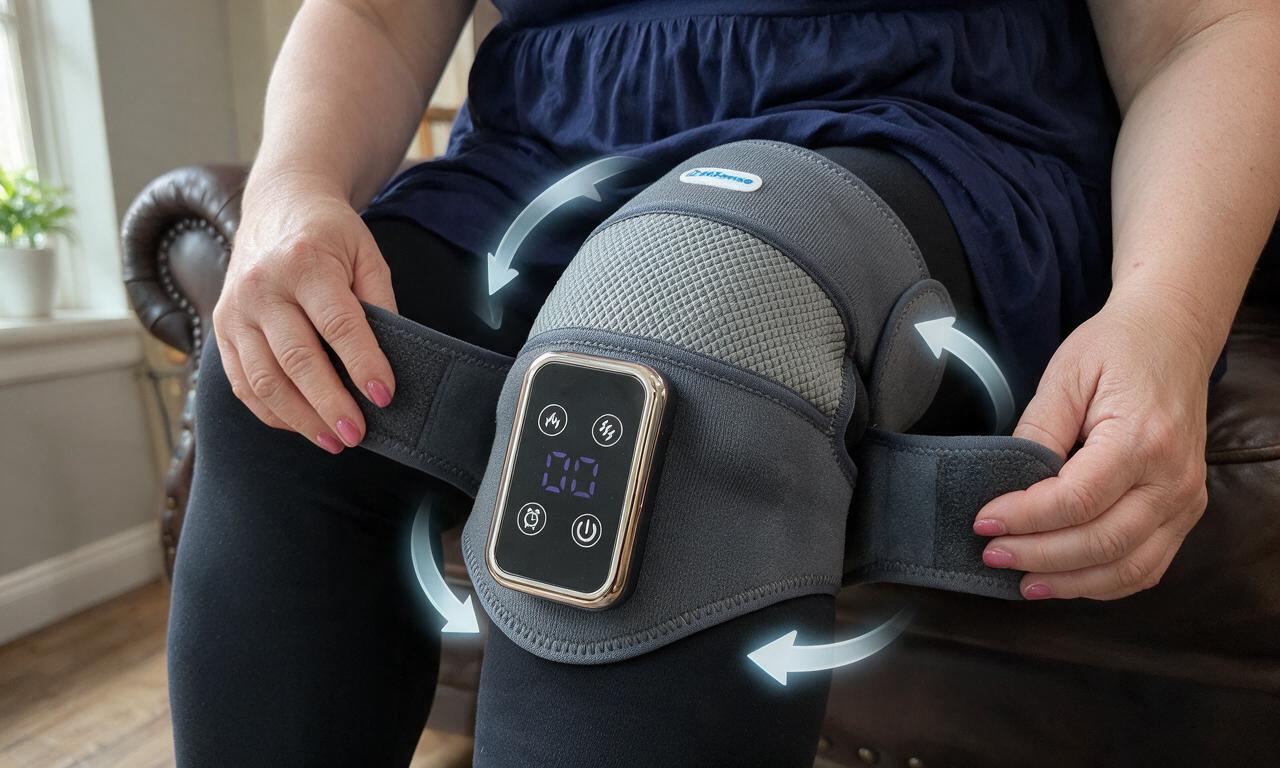
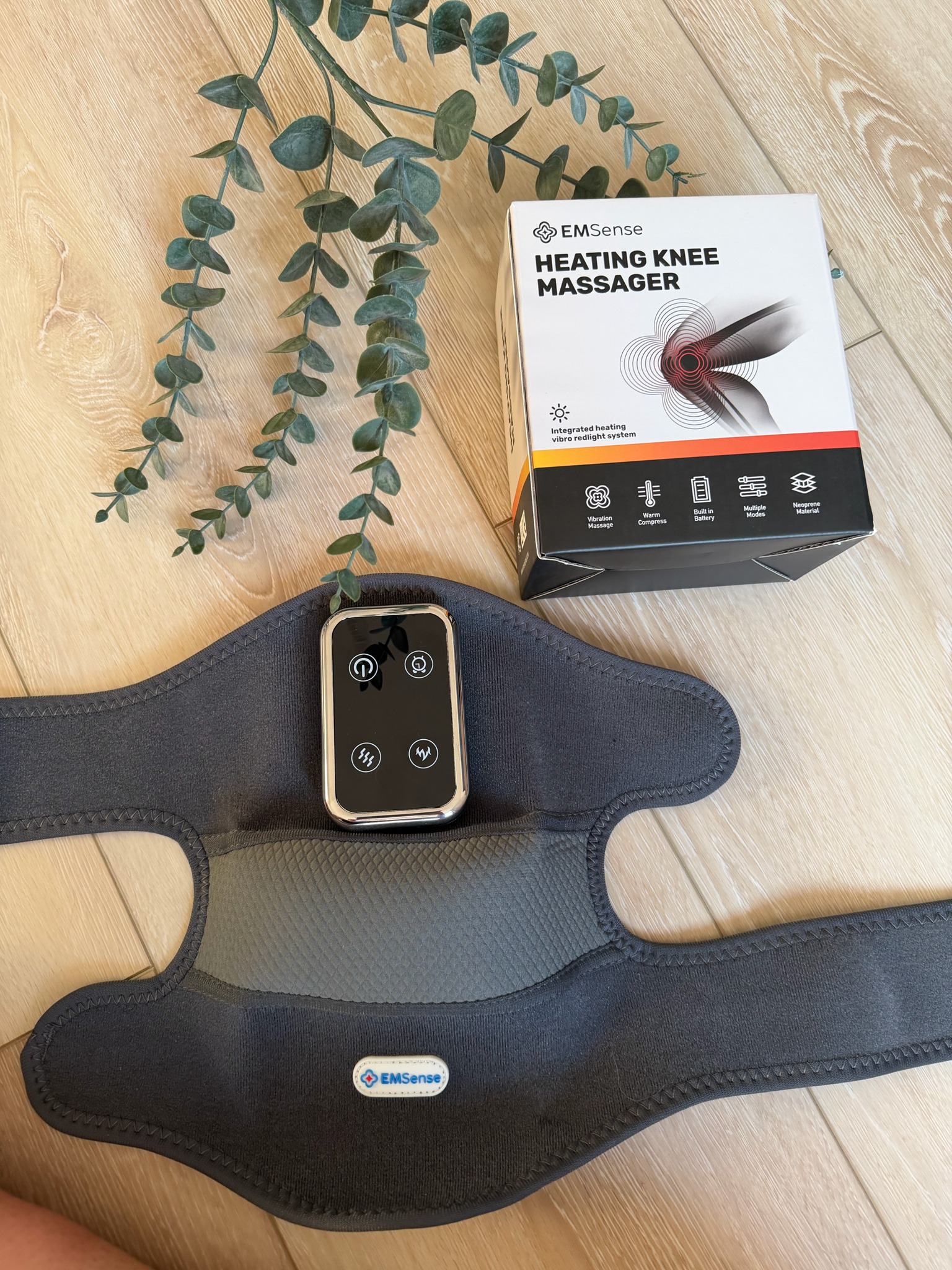
That's the design behind the EMSense Triple Therapy Knee Massager. It's a wrap you fasten around the knee. One cycle takes 15 minutes, and you can do it in your armchair with a cup of tea.
"The point is that you're not doing three separate things at three separate times," says Dr. Cruz. "You're stacking them, so the muscle gets the warmth, the signal and the support together."Start Your Recovery
What people report
In a recent survey of EMSense Knee users, 82% reported meaningful reduction in pain and improved mobility within the first 3–4 weeks of daily use.
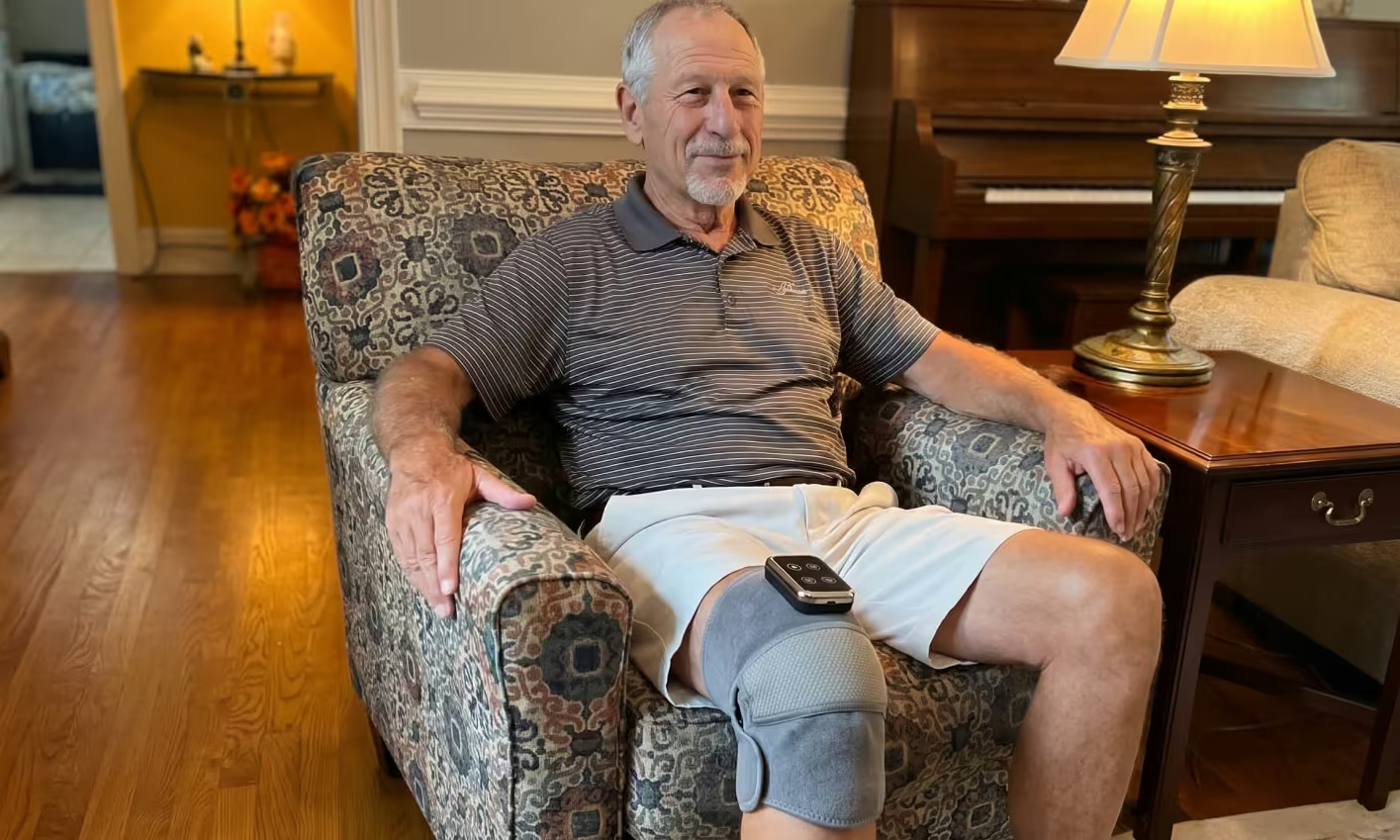
Results vary, and nobody can promise yours. But a lot of customers describe the same small win: they notice one day that they didn't reach for the armrest.
"I've tried knee braces, ice packs, painkillers but nothing gave me relief. Been using EMSense for 3 weeks and the difference is real!!"
Michael R. ⭐⭐⭐⭐⭐
"I really like it that the strap is quite long and adjustable as I'm a heavy fella. I use it every evening before bed and it's definitely easier to move in the morning"
Charles P. ⭐⭐⭐⭐⭐
"I've had knee pain for years and honestly tried everything. But EMSense actually surprised me. I use it every evening while watching TV and my knee feels so much better in the morning."
Jennifer L. ⭐⭐⭐⭐⭐
The questions people ask first
I've tried a brace and a heating pad. Why would this be different?
"Because those two do one thing each, and neither sends a signal to the muscle," says Dr. Cruz. "This is designed to combine warmth, stimulation and support in one session."
Is 15 minutes really enough?
"It's a short session on purpose," says Dr. Cruz. "It's meant to be something you'll actually do every day, not something you'll skip after a week."
Does it hurt?
EMSense has three massage intensity levels, so you can start on the lowest one and move up only when it feels comfortable. It's designed to feel like a gentle pulsing, not a shock.
Will it fit my knee?
The wrap is adjustable and designed to fit most knee sizes, for both men and women. The flexible straps let you set it snug without it digging in.
Is it safe?
Consult your healthcare provider before use, especially if you have any existing health conditions. EMSense is for external use only. Use it sitting or reclining. Do not use it while sleeping, walking or in wet environments.
How soon will I notice a difference?
Results vary from person to person. In the user survey, most people reported a change within the first 3–4 weeks of daily use, which is why Dr. Cruz asks you to repeat the Armrest Test after 3–4 weeks.
Try the test again in 3–4 weeks
Dr. Cruz gives his patients the same homework:
Do the Armrest Test today, and write down how it went.
Use the device for 15 minutes a day.
Do the test again after 3–4 weeks and compare.
"You don't need to believe me," he says. "Your own chair will tell you."
The offer
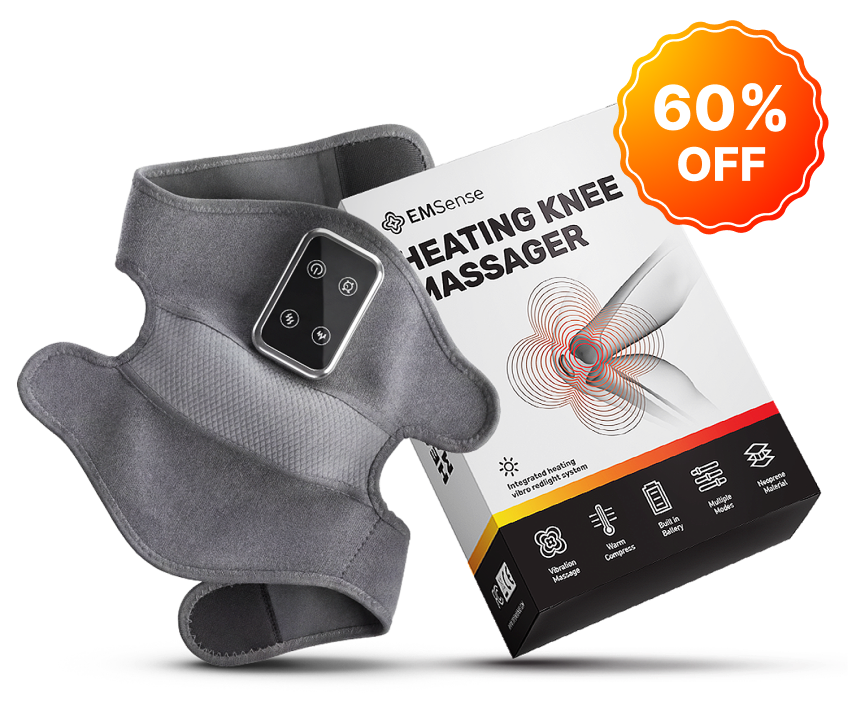
EMSense isn't sold in stores, only through the official website. Right now it's 60% off.
Do the Armrest Test tonight. Use the wrap 15 minutes a day. Then sit in the same chair and test again.
The chair you sit in tonight will be the same one you sit in next month. The only question is whether you'll still be pushing off the armrests.
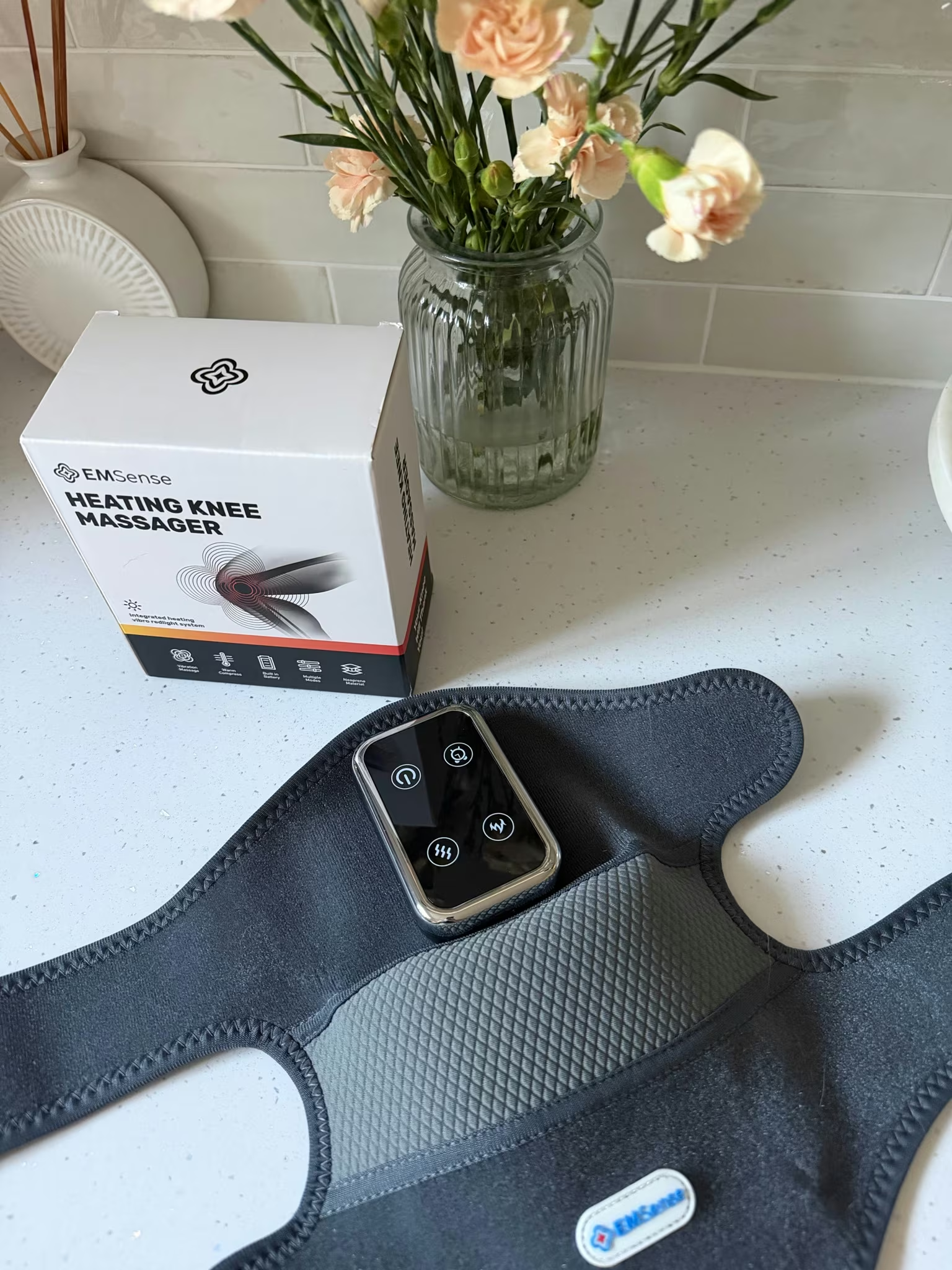
Start My 4-Week Chair Test — 60% Off

FLASH SALE IS HERE!
GET EMSENSE 60% OFF NOW
FLASH SALE IS HERE!
Here’s What to Do Now:
- Click the green button below to access our secure checkout page.
- Choose how many EMSense Massagers you want (most people grab 2 or 3).
- Complete your order while supplies last.
GET MY DISCOUNT
FLASH SALE IS HERE!
Don’t Let Pain and Numbness Control Your Life
If you don’t take action now, the problem will likely get worse.
The nerves won’t magically heal on their own - and every day you wait makes recovery harder.
But with EMSense, you have a chance to help speed up the process.*
Imagine getting your mobility, your freedom, and your life back.
All it takes is one small step.

👉 Click below to secure your EMSense Massager with 60% OFF while supplies last!


Reference List: